Beginning with Bach
A Guided Study in Early Bach Repertoire

A Guided Study in Early Bach Repertoire
There is something quietly extraordinary about beginning with Bach.
For generations, violinists have entered the world of classical music through these pieces — the Minuets, the Gavotte, the March — music that feels refined yet welcoming, structured yet deeply human.
These works invite us into a cultivated tradition of learning at home, where music is not hurried, not performed for approval, but lived with thoughtfully.
One might imagine an evening lamp, a well-loved violin resting on the shoulder, the gentle pleasure of discovering how a simple phrase can feel balanced, graceful, and complete.
Bach’s music has a remarkable way of bringing order to the mind and simplistic peace to the heart.
It offers the first glimpse into Bach’s world — shaped by the elegance of French Baroque dances, clarity of phrase structure, and a depth of education.
The simplicity of these pieces is striking when we remember that this is the same composer who wrote the Mass in B Minor and the Chaconne. Yet it was not beneath him to write music that welcomes musicians at the beginning of their journey.
Bach was not only a musical genius, but also a devoted educator. He understood the importance of inviting students into the musical language he had mastered.
These works reflect that generosity.
Few works in the violin repertoire are as widely shared across teaching traditions as these early Bach pieces.
They appear in major pedagogical collections including:
• Suzuki Violin School
• Barbara Barber – Solos for Young Violinists
• ABRSM violin syllabus repertoire
• Trinity College London graded repertoire
• ASTA curriculum lists
• Sassmannshaus – Early Start on the Violin
• traditional conservatory preparatory literature
They are equally present in piano pedagogy:
• Suzuki Piano School
• Alfred classical piano literature collections
• Faber Piano Adventures repertoire supplements
• ABRSM piano syllabus repertoire
• Bastien piano literature collections
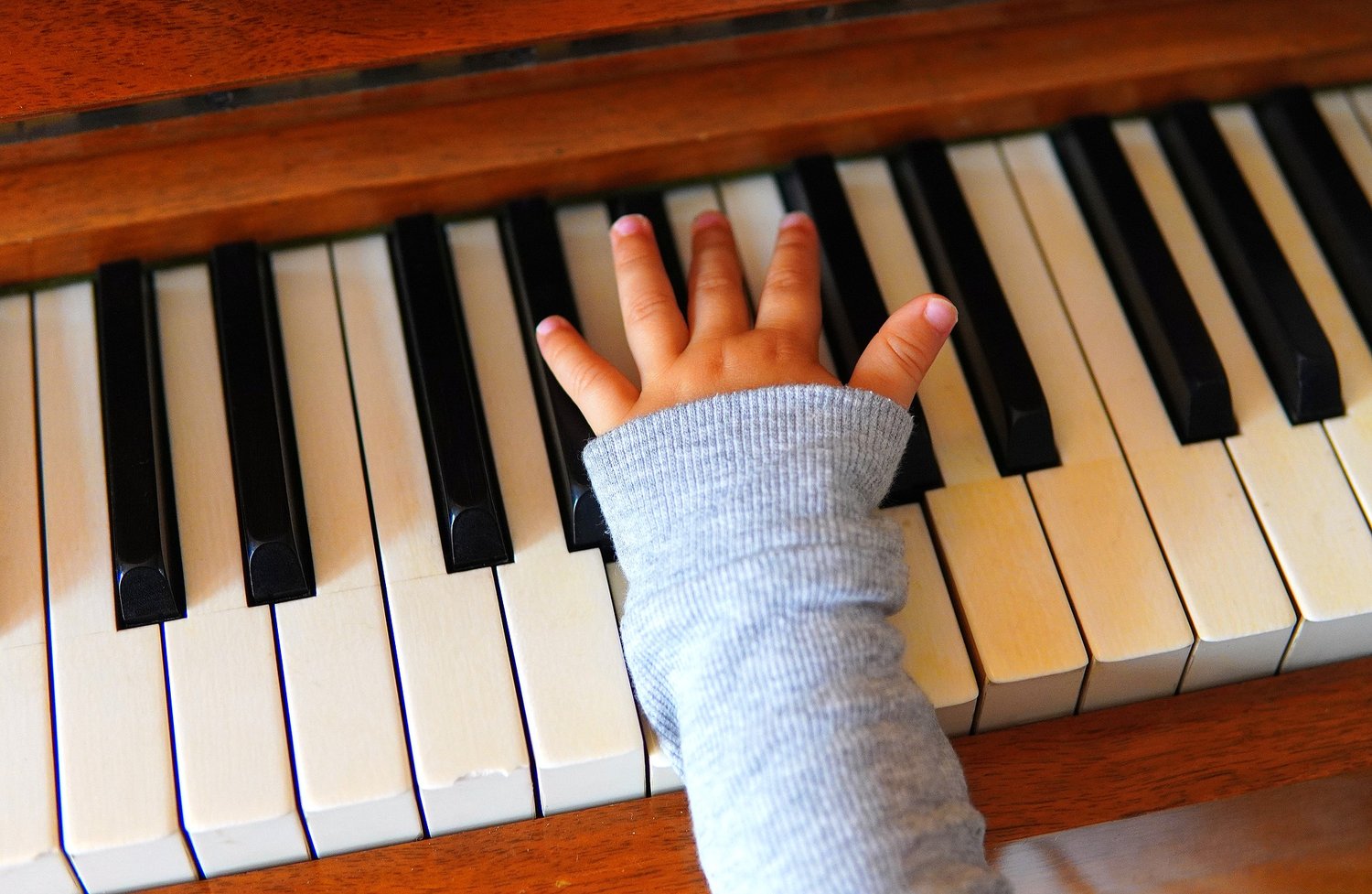
I still remember learning Musette and Minuet in G on the piano at the age of five. Even then, Bach’s musical language felt distinctive — ordered, thoughtful, complete.
My curiosity led me to explore further. I remember quietly going into the section of the library reserved for older students, looking for more books about Bach long before I fully understood why I was drawn to him as a composer.
For many musicians, Bach becomes a lifelong companion from the very beginning.
While Bach’s music has always held a central place in violin study, it is rarely presented as a coherent early curriculum in its own right. More often, Bach appears intermittently between études and concert repertoire.
This course takes a different approach, allowing the violinist to develop within a unified musical language from the very beginning. Through the Minuets, Gavottes, Bourrées, and Arioso, the player encounters the essential elements of musical structure — balance, proportion, harmonic awareness, and clarity of tone — within repertoire that is both accessible and deeply refined.
Rather than fragmenting the learning process across unrelated styles, this sequence offers continuity. Each piece naturally prepares the next, allowing technique and musical understanding to grow together in an integrated way.
Bach’s music contains within it a complete world of musical thought. Beginning here allows that world to unfold gradually and coherently.
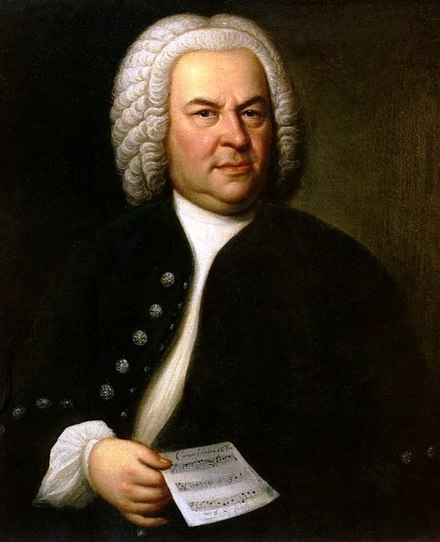
Johann Sebastian Bach (1685–1750) was born in Eisenach, Germany, into a highly musical family spanning several generations of professional musicians, composers, and church organists. Music was not simply a profession within the Bach family — it was a lineage.
After the early death of both parents, Bach continued his musical education under the guidance of his older brother Johann Christoph Bach, an organist, where he studied keyboard playing, composition, and copying music by hand — an important method of musical training at the time.
Bach became highly skilled as both a violinist and keyboard player, though the organ became central to his professional life. His career included positions in Arnstadt, Mühlhausen, Weimar, Köthen, and Leipzig, where he served as Thomaskantor (Cantor of St. Thomas Church) from 1723 until his death.
Throughout his life, Bach worked as a composer, performer, teacher, and Kapellmeister responsible for training musicians, directing ensembles, and producing music for church and civic life.
Bach was deeply interested in the structural principles underlying music. His works demonstrate an extraordinary integration of counterpoint, harmony, mathematical proportion, and expressive design. He referred to himself as a musical scientist — a composer who explored the internal laws governing musical structure.
His compositions span nearly every genre of his time, including sacred vocal works, instrumental concertos, keyboard collections, chamber music, and pedagogical works intended for the training of students and family members.
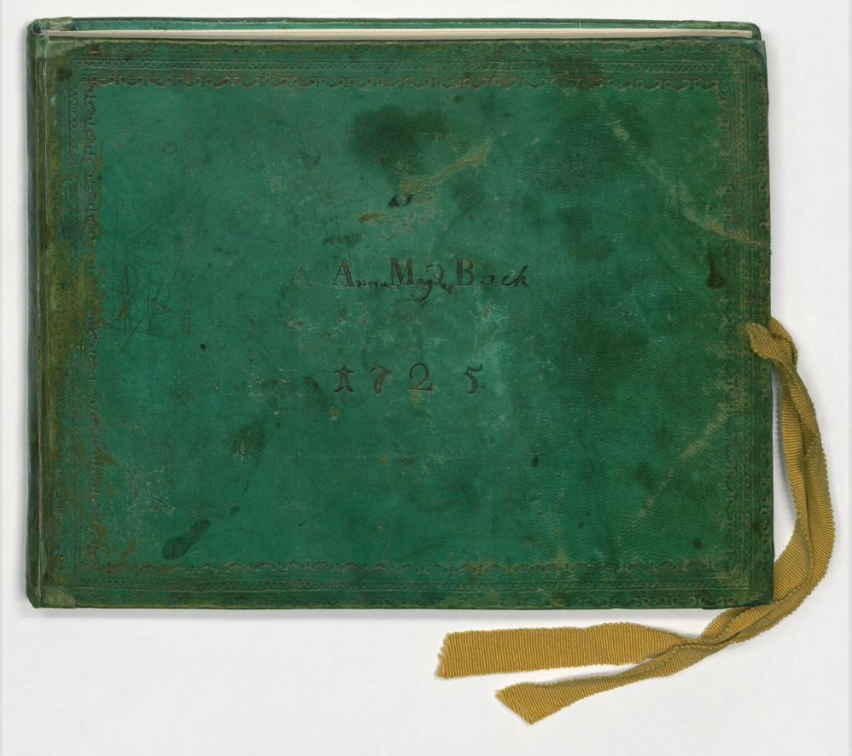
The Notebook for Anna Magdalena Bach, compiled in 1725 for Bach’s second wife, offers a glimpse into the musical life of the Bach household. The collection contains works by Bach and his contemporaries that were intended for study, enjoyment, and the cultivation of musical understanding within the home.
These pieces reflect a tradition in which music formed part of daily life — a means of developing sensitivity to tone, rhythm, articulation, and proportion through attentive practice.
Because the musical language is transparent, Bach invites the violinist into a deeper awareness of sound and structure. Questions of timing, phrasing, balance, and intonation emerge naturally through the music itself.
For this reason, Bach has remained a constant companion for violinists across centuries. His works continue to reveal new layers of understanding as the player grows, offering increasing depth without losing their essential clarity.
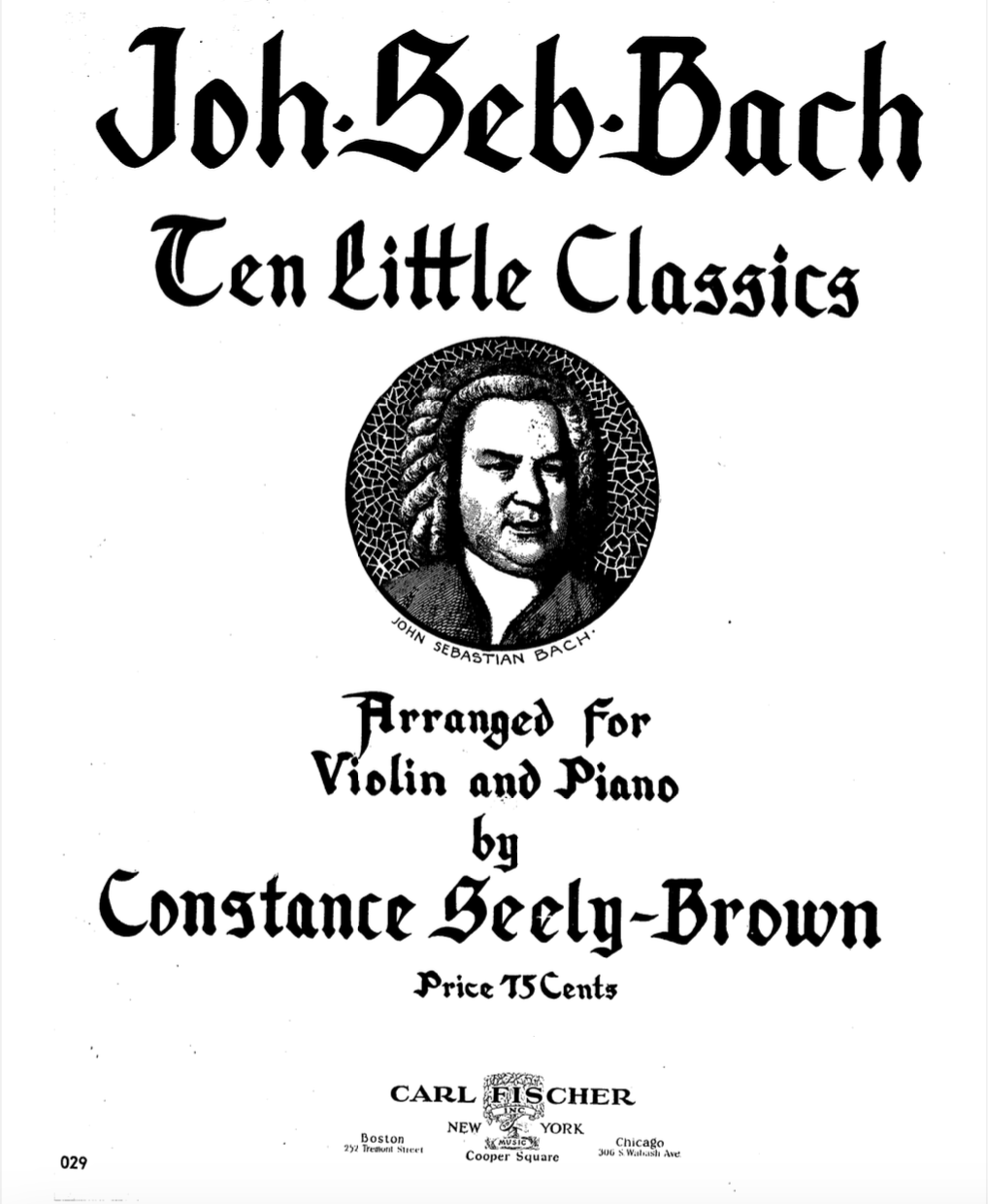
This course brings together the Bach repertoire most commonly encountered at the beginning of violin study — works that have introduced generations of musicians to the clarity, balance, and expressive refinement of Bach’s musical language.
These pieces appear consistently across major pedagogical traditions including Suzuki, ABRSM, Trinity College London, Barbara Barber collections, and conservatory preparatory literature, as well as in early piano study.
Though modest in length, they contain remarkable depth and serve as a natural preparation for later study of Bach’s larger works.
Minuet in G Major, BWV Anh. 114 (Petzold)
Minuet in G Major, BWV Anh. 116
Minuet in G minor, BWV Anh. 115
March in D Major, BWV Anh. 122
Musette in D Major, BWV Anh. 126
Polonaise in G minor, BWV Anh. 119
Gavotte in D Major, BWV Anh. 119
Gavotte in G minor, BWV Anh. 118
Minuet in A minor, BWV Anh. 120
Bourrée in E minor, BWV 996
Minuet I & II from Cello Suite No. 1 in G Major, BWV 1007
Bourrée I & II from Cello Suite No. 3 in C Major, BWV 1009
Gavotte I & II from Cello Suite No. 6 in D Major, BWV 1012
Arioso (Sinfonia) from Cantata BWV 156
Air from Orchestral Suite No. 3 in D Major (“Air on the G String”), BWV 1068
All repertoire listed on this page is included in the course.
Several lessons are already available, and additional piano accompaniment videos and supporting materials are currently being uploaded.
Enrollment provides lifetime access to the course and all future additions.
Students may begin immediately and continue to benefit as the library is completed.
“I am working my way through Bach repertoire and it’s the most enjoyable part of my day. Your explanations help me understand not only how to play the notes, but how the music is organized.”
“Heather, you are an angel of music, doing very important work. The joy and sincerity in your teaching is deeply inspiring.”
“I was surprised how quickly the pieces began to feel comfortable. The detailed explanations of both how to play and how to practice made the learning process clear and efficient.”
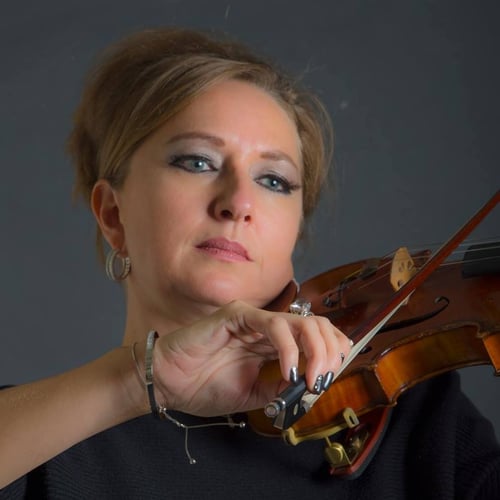
Heather Kaye Broadbent is a violinist, educator, and founder of the Broadbent School of Violin Artistry, an online learning environment dedicated to thoughtful, lineage-informed violin study.
Her teaching emphasizes clarity of tone, ease of coordination, and the development of musical understanding through repertoire that builds from the inside out.
Heather has worked with violinists around the world for more than a decade through private lessons, courses, and educational publications. Her students include adult learners, returning violinists, dedicated amateurs, and teachers seeking a deeper understanding of tone production and intonation.
Her pedagogical approach draws from the Franco–Belgian and Russian traditions, with particular attention to the relationship between physical organization and expressive freedom. Concepts such as balance, listening discipline, bow contact, and left-hand structure form the foundation of her teaching.
Bach’s music has played a central role in Heather’s own development as a musician. She values the way Bach cultivates independence of thought, sensitivity to structure, and a refined awareness of sound.
Through the Broadbent School, Heather seeks to provide violinists with a clear and supportive pathway into the classical repertoire — one that honors tradition while allowing each musician’s individual voice to emerge naturally.