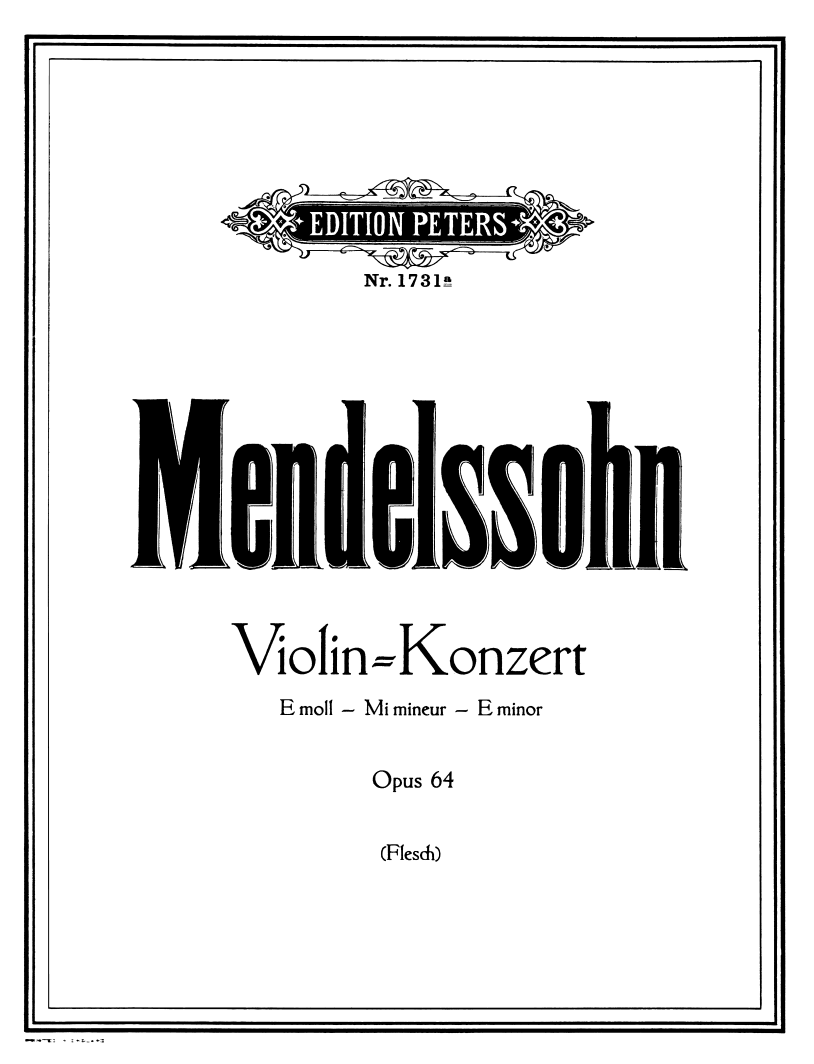
Mendelssohn Violin Concerto in E Minor
A Guided Repertoire Study for Intonation, Positions & Musical Clarity

A Guided Repertoire Study for Intonation, Positions & Musical Clarity
This concerto is often approached too early, too quickly, or without the positional and listening foundation it requires.
As a result, many adult violinists struggle with:
This course offers a different approach.
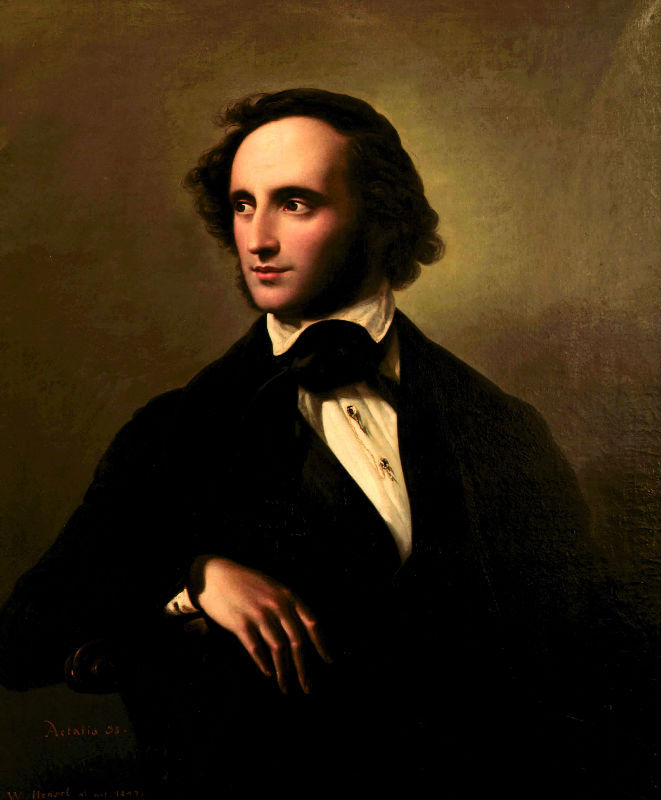
Felix Mendelssohn (1809–1847) holds a unique place in music history. Deeply rooted in Classical clarity and proportion, yet speaking with a refined Romantic voice, Mendelssohn valued structure, balance, and musical integrity over display.
His Violin Concerto in E Minor, Op. 64 (1844) is one of the most important works ever written for the violin.
The concerto was revolutionary for its time:
The result is a concerto that exposes a violinist’s organization, listening, and positional clarity more than sheer technical power.
Mendelssohn’s Violin Concerto has remained central to violin training for nearly two centuries — not because it is flashy, but because it is revealing.
It requires:
When approached without sufficient preparation, the concerto quickly exposes instability. When studied thoughtfully, it becomes one of the most formative works in the violin repertoire.
Pedagogically, Mendelssohn occupies a crucial bridge position in concerto study.
It belongs:
Mendelssohn assumes a violinist who is no longer learning what positions are, but is learning how to navigate them reliably under musical pressure.
For adult violinists especially, this concerto should not be rushed. It rewards patience, organization, and listening — and penalizes approximation.
A guided repertoire study designed to help adult violinists play Mendelssohn’s Violin Concerto with:
Rather than rushing toward performance, this course treats the concerto as formative repertoire — music that develops the violinist from the inside out.
This approach reflects how Mendelssohn has been taught through the great pedagogical minds who shaped violin playing — with clarity, structure, and long-term musical development as the priority.
The focus is not on “getting through” the piece, but on understanding it.
You’ll work with:
This is how intonation becomes reliable by organizing the instrument and the ear.
This course is ideal for:
You do not need to be preparing a performance to benefit from this study.
This course is designed for analysis, orientation, and long-term security — not for perfection-driven performance pressure.
By the end of this course, you will:
This course lives inside the Repertoire Room, supported by:
It pairs naturally with Playing Fluency in the First Seven Positions, but stands fully on its own.
This is not a shortcut course.
It is not about speed, tricks, or performance pressure.
It is about playing Mendelssohn well — with dignity, clarity, and understanding.
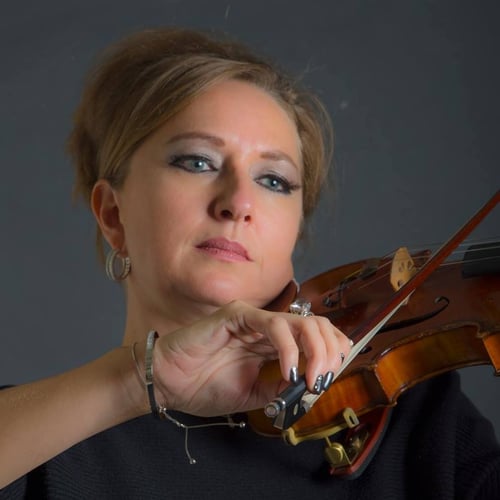
Mendelssohn’s Violin Concerto in E Minor has been one of the most formative works in my own violin education.
I prepared this concerto extensively during my university years and studied it with multiple teachers, each offering different perspectives on technique, interpretation, and execution. Despite the time, effort, and expense invested, much of what truly matters in this concerto — clear positional organization, reliable intonation, and calm, intelligent practice — was rarely articulated in a way that supported long-term clarity.
This course exists because of that gap.
Over the years, I have guided violinists through this concerto in teaching settings and observed the same pattern repeat: capable players struggling not because they lack ability, but because the concerto is often taught without the positional and listening framework it requires.
This guided study reflects how I believe Mendelssohn should be taught —
as formative repertoire, not a hurdle to survive.
Nothing here is rushed.
Nothing is assumed.
And nothing is presented as a shortcut.
The goal is not simply to get through Mendelssohn, but to understand it deeply and play it with security.