
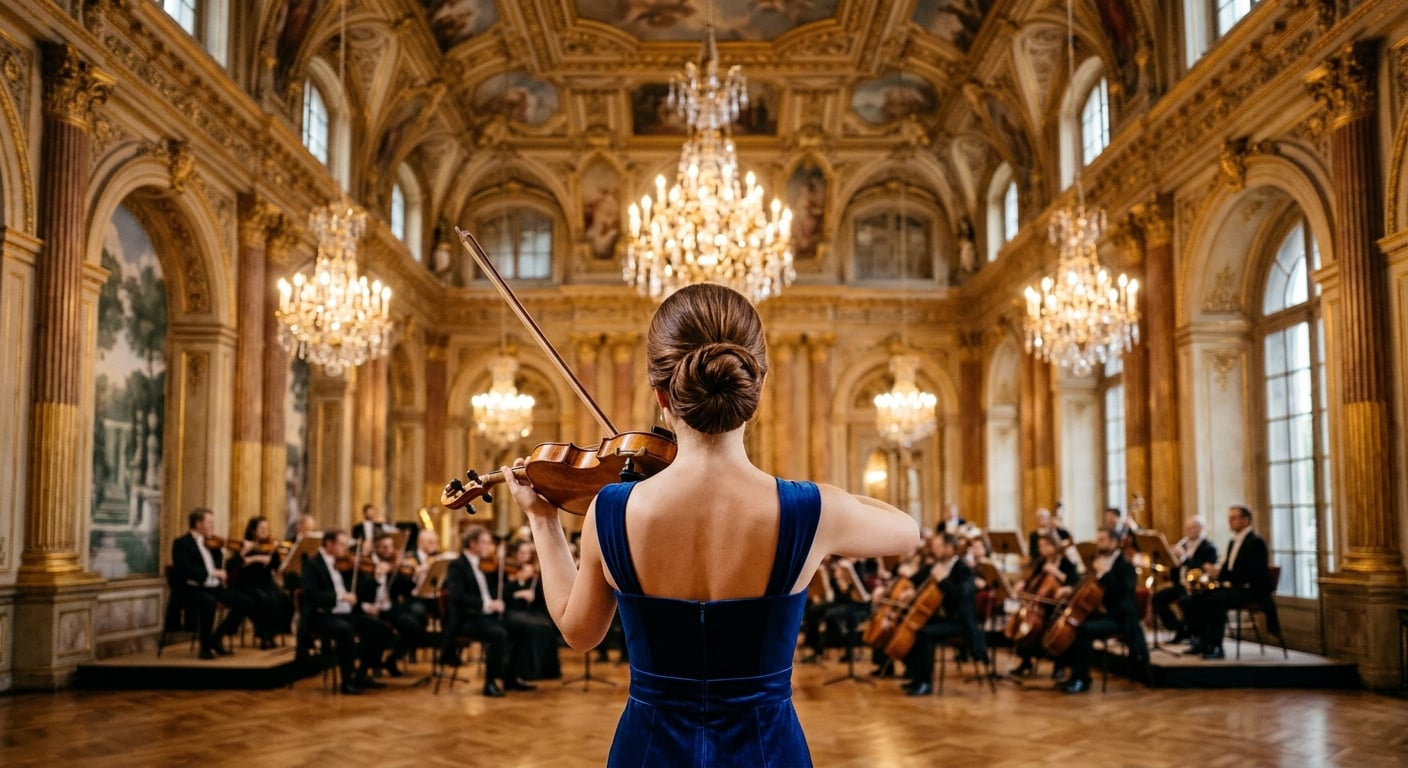
Imagine looking at a piece of music you've never seen before and knowing exactly what to do.
No more staring at unfamiliar notes, wondering where to begin.
No more spending hours deciphering music before you can actually enjoy playing it.
No more feeling left behind when everyone else seems able to read effortlessly.
What if sight reading could become one of your greatest strengths instead of one of your greatest frustrations?
You've been playing violin for years. Why is sight reading music still so difficult?
Perhaps you've taken lessons, practiced scales, worked through études, and learned increasingly challenging repertoire.
And yet, when someone puts an unfamiliar piece of music in front of you, everything changes.
You hesitate. You second-guess yourself. You lose your place. You stop and start again.
You might even believe that some musicians are simply born with the ability to sight read and you're not one of them.
But sight reading isn't a gift reserved for a fortunate few. It's a skill you can train.
And once you understand how to develop that skill, your entire relationship with written music can change.
What if you could finally read music the way you read words?
Think about how you read a book.
You don't stop to decipher every individual letter. You recognize words, phrases, and complete thoughts.
Music can become increasingly familiar in much the same way.
Instead of struggling through one note at a time, you begin recognizing patterns. You anticipate what's coming. You understand what you're seeing before you play it.
And suddenly, the page becomes less intimidating.
You're no longer fighting the music. You're reading it.
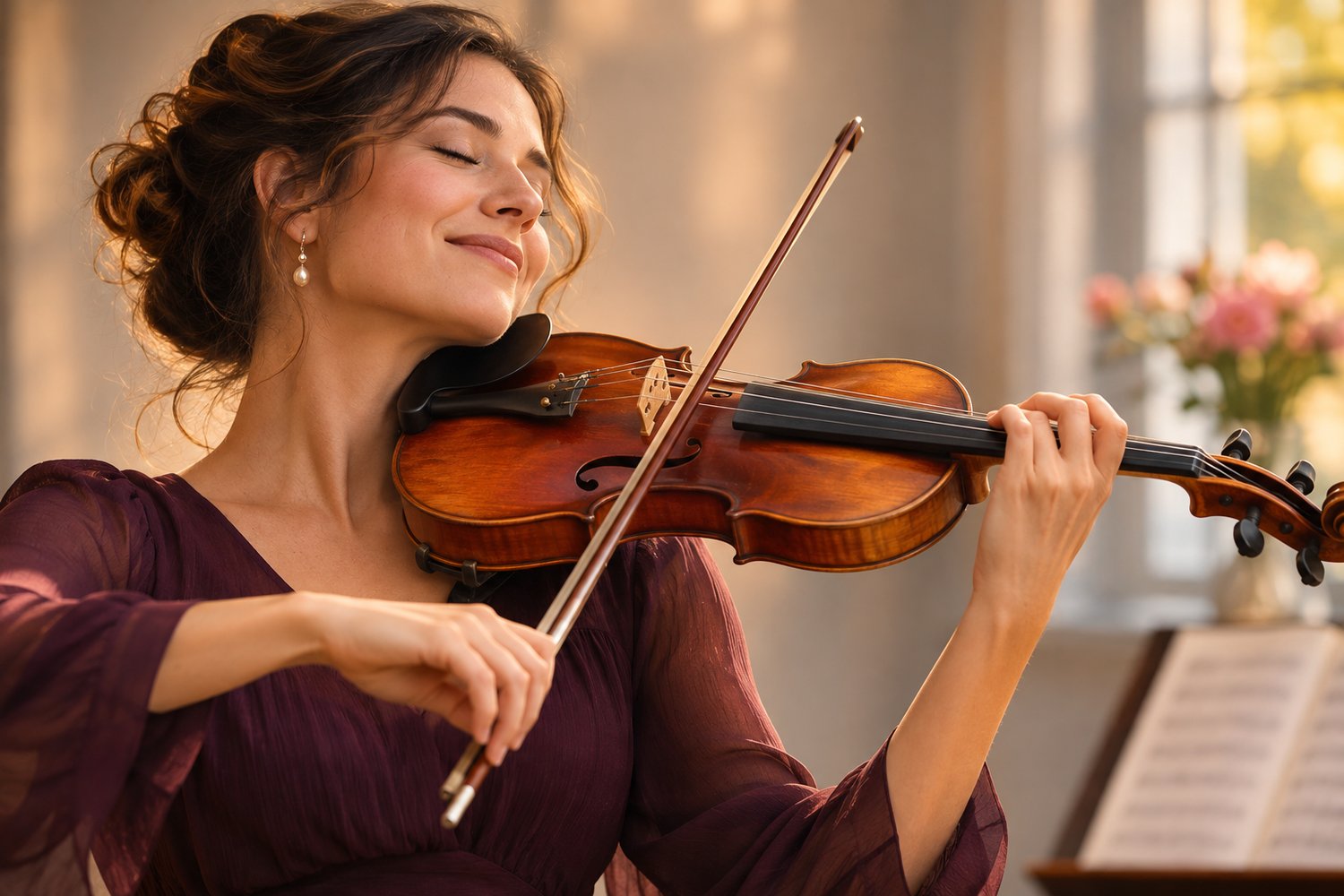
Imagine what that freedom would mean for your violin playing.
You could explore unfamiliar repertoire without spending weeks working out the notes.
Walk into an orchestra rehearsal with greater confidence.
Enjoy chamber music without constantly worrying about losing your place.
Spend more of your practice time developing beautiful tone, musical phrasing, and interpretation.
And perhaps most importantly, experience the pleasure of simply sitting down and playing music.
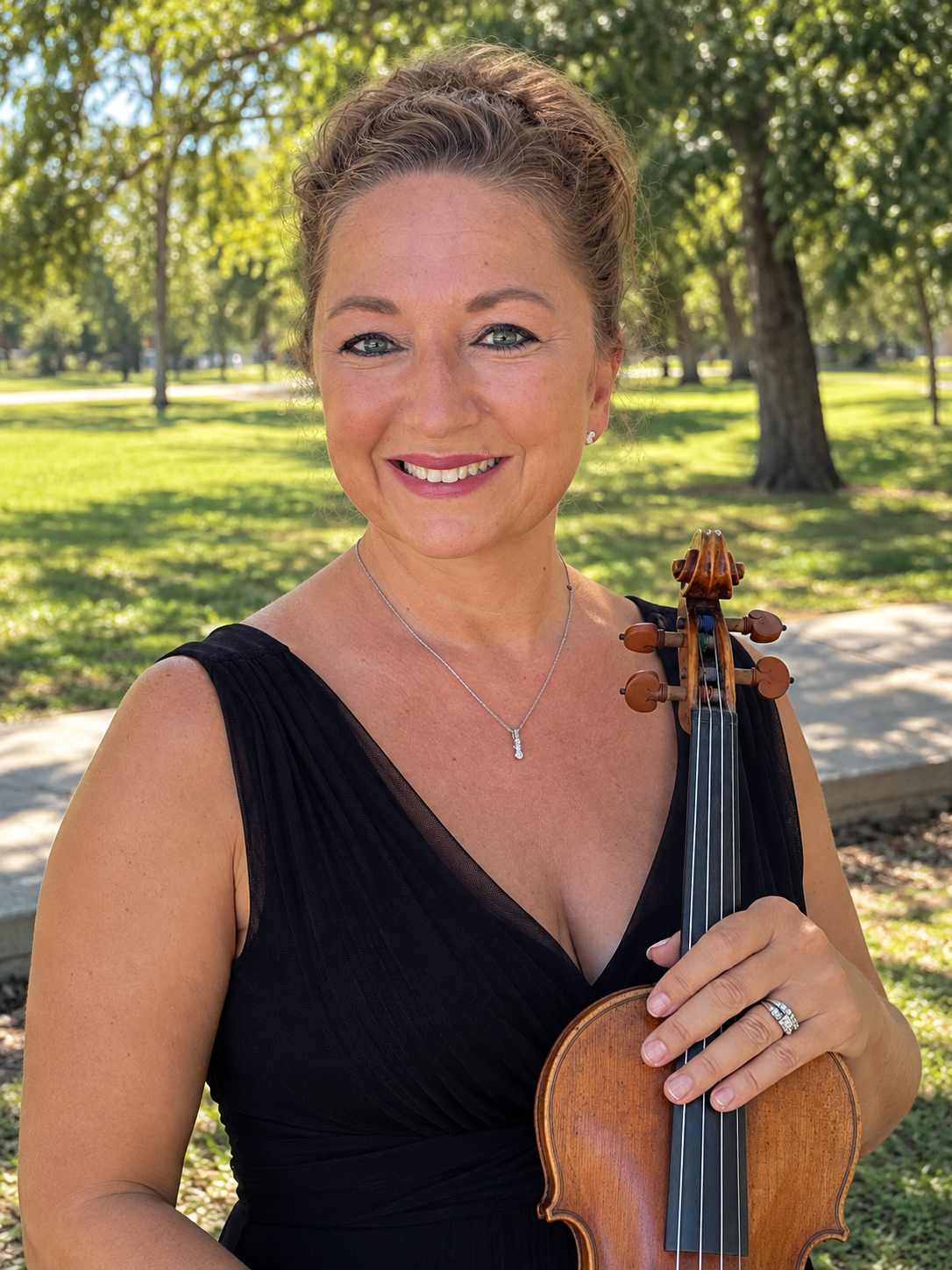
Introducing The Art of Violin Sight Reading
A complete two-level program with Heather Kaye Broadbent
I created this program to help violinists overcome the obstacles that keep them struggling with written music.
Not by telling you to simply sight read more.
But by showing you how to train the skills that make fluent reading possible.
You'll discover how to recognize musical information more efficiently, develop a dependable rhythmic foundation, understand what you're seeing on the page, and approach unfamiliar music with greater confidence.
Through practical demonstrations, guided exercises, and real violin repertoire, you'll begin replacing hesitation with understanding.
The goal isn't to become a perfect sight reader overnight.
The goal is to become a violinist who knows how to approach unfamiliar music—and has the tools to keep improving.
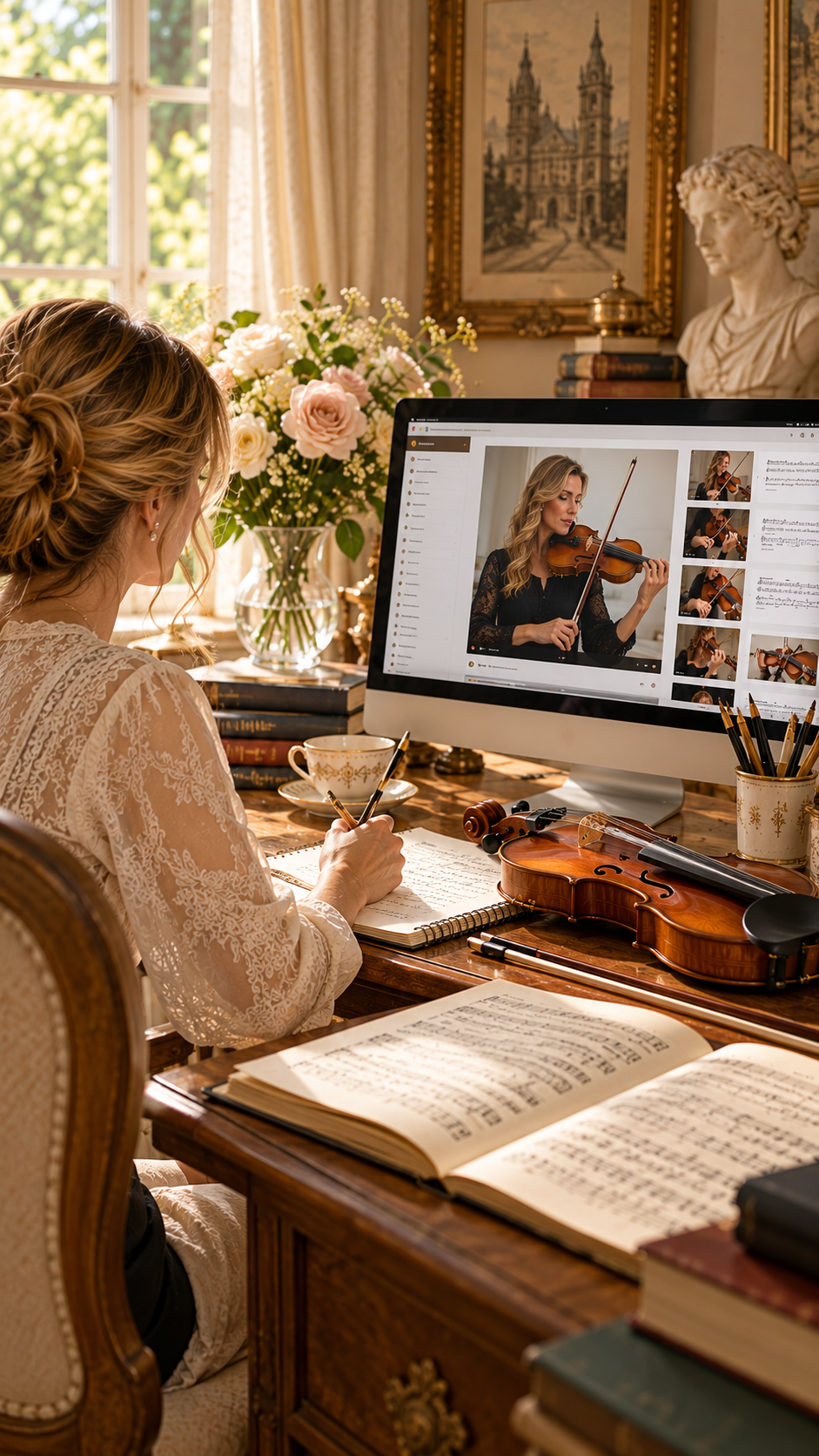
Who Is This Course For?
This course is designed for violinists who:
- Feel uncertain when reading unfamiliar music
- Frequently stop or hesitate while sight reading
- Struggle to maintain a consistent musical pulse
- Want to become more independent musicians
- Wish to develop greater confidence and fluency
- Are ready to approach sight reading as a skill worthy of deliberate study
Whether you're returning to the violin after time away or seeking to strengthen an essential aspect of your musicianship, this course offers an opportunity to develop greater fluency, confidence, and independence when approaching unfamiliar music.
Please note: This course is designed for violinists who already understand musical notation. It focuses on developing prima vista sight-reading skills—the ability to read and perform unfamiliar music at first sight—not learning to read notes for the first time.
A Note About Musical Experience
The Art of Violin Sight Reading 101 & 102 is designed for violinists who already have a basic understanding of musical notation and some experience playing the violin.
If you're still learning to read notes, understand rhythms, or recognize key signatures, I recommend beginning with Music Literacy for Violinists: How to Read Music and More.
This foundational course teaches you how to understand written music and apply that knowledge directly to the violin.
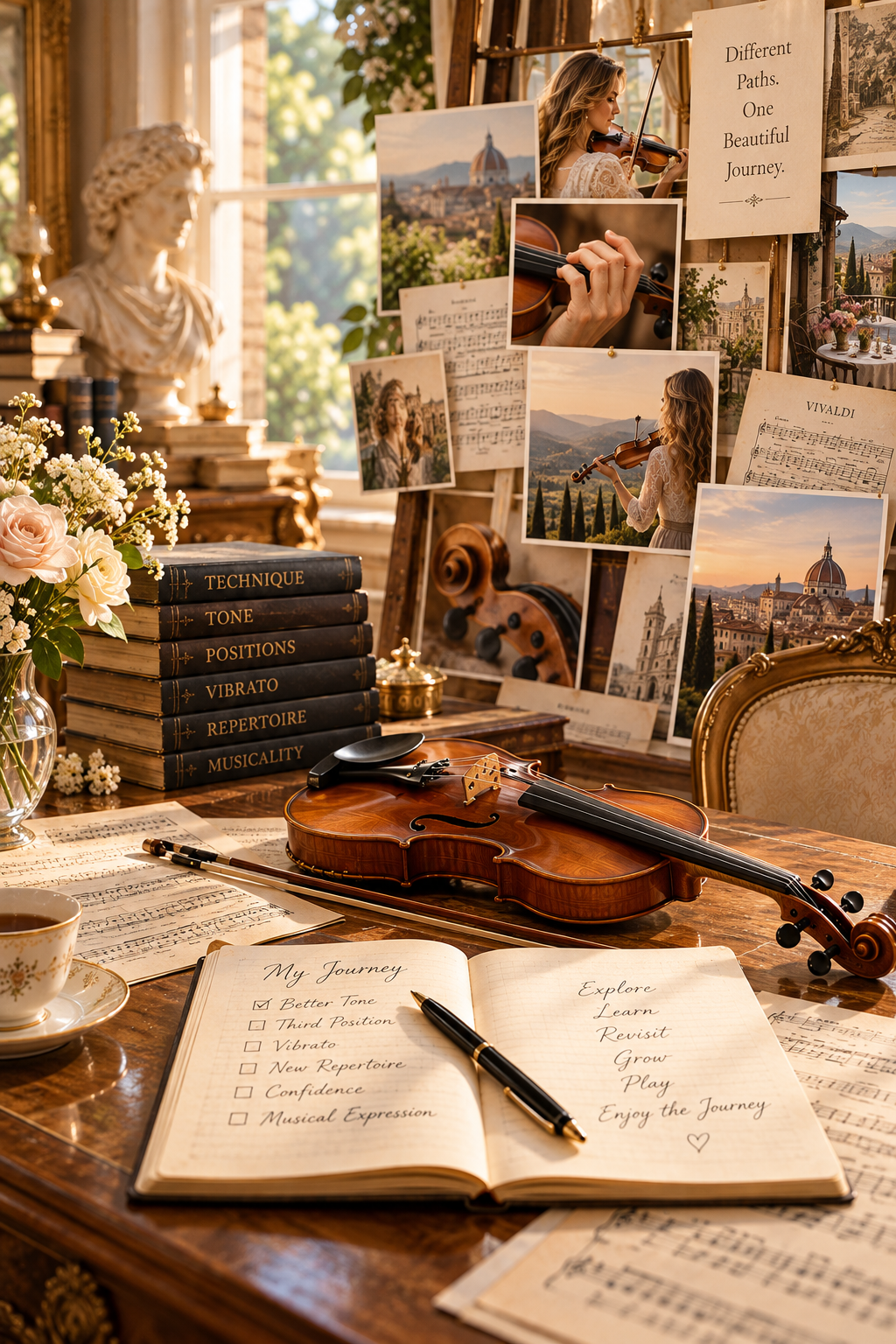
Introducing The Art of Violin Sight Reading
You've already invested years in learning the violin.
Imagine how much more music you could enjoy if reading it were no longer such an obstacle.
How many pieces have you wanted to play but put aside because learning the notes seemed overwhelming?
How many musical opportunities would become more enjoyable if you trusted your ability to read?
How much practice time could you reclaim?
Better sight reading opens the door to more music and honestly less time in the practice room or the same amount of time but faster progress.
And that is what this course is designed to help you achieve.
A Special Invitation — $33 Founding-Student Access
The Art of Violin Sight Reading: Levels 101 & 102 is growing into a substantial course.
I've completed the editing of just two of the eight original workshops, and the course already includes focused lessons on reading ahead, recognizing musical patterns, rhythmic subdivision, syncopation, changing time signatures, and developing the confidence to keep playing through unfamiliar music.
And there's much more to come.
The $33 founding-student offer ends Friday, November 13, 2026, at 11:59 p.m. Central.
Enroll now to begin studying the lessons already available. You'll receive all remaining lessons as they're released, with no additional payment for this course.
Founding-student price: $33
Planned regular price upon completion: $99.
The music is waiting.
You already know how much you love playing the violin.
Now imagine the freedom of being able to explore more of the music you love.
Become the sight reader you've always wanted to be.
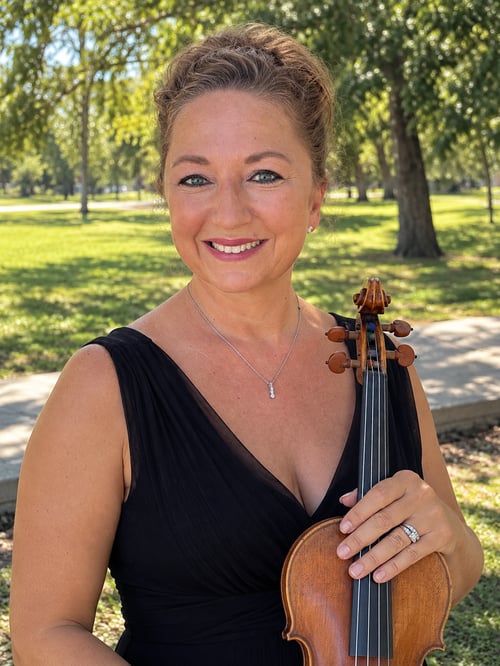
Learn with Heather Kaye Broadbent
Violinist • Performer • Pedagogue
Founder of the Broadbent School of Violin Artistry
Heather Kaye Broadbent is an American violinist and pedagogue whose professional career has included orchestral and chamber music performance in the United States and Europe.
Through the Broadbent School of Violin Artistry, she brings together professional performance experience, historical violin pedagogy, and practical technical training to help serious violinists develop greater independence and expressive freedom.