Your Cart
Loading

The Balanced Right Hand: Mastering the Art of Responsive Bowing

Developing Awareness & Responsive Communication with the Stick


A focused foundational course for violinists who understand the bow hold — yet sense that something fundamental is still interfering with ease, control, and refinement.

The Missing Link Between the Hand and the Sound

Many violinists are taught where to place the fingers on the bow, but not how those fingers listen, respond, and relate to the stick once the bow is in motion.

The result is familiar:

  • Fingers That Grip, Collapse, Or Overact
  • An Overactive Index Finger And A Disengaged Fourth Finger
  • Difficulty Playing At The Frog
  • Inconsistent Tone
  • Off-The-String Strokes That Feel Clunky Or Unreliable

The issue is rarely strength alone.

It is awareness, responsiveness, and communication.

When the fingers do not understand how to relate to the stick, the hand begins to interfere.

When interference drops away, the bow begins to do its own work.

What This Course Is (and Is Not)

The Balanced Bow Hold is not a beginner bow-hold course.


Although beginners would benefit from this work, the course assumes the student already knows how to hold the bow.


This study focuses on what happens after placement:

  • How the fingers sense the stick
  • How they respond rather than act
  • How non-essential effort is released
  • How finger stroke at the frog becomes the foundation for all bow strokes


The work is subtle, precise, and foundational — not corrective or mechanical.

What You Will Learn

Inside this course, students develop:

  • Awareness of each finger’s relationship to the stick
  • Responsive communication rather than active control
  • Clear understanding of common bow-hold pitfalls
  • Why finger stroke (collé) underlies all bow strokes
  • How to “get out of the way of the bow” and allow it to function naturally


This is bow-hold understanding built through physical awareness, visual clarity, and guided exploration.

Who This Course Is For

This course is ideal for violinists who:

  • Already understand basic bow hold mechanics
  • Feel that their bow arm works too hard
  • Struggle with refinement, especially at the frog
  • Sense that “control” is actually the limitation
  • Want a more intelligent, responsive relationship with the bow

This course is especially valuable for adult violinists who have strong musical instincts but were never taught how to organize the bow hand from the inside out.

Who This Course Is Not For

This course is not intended for:

  • Absolute beginners
  • Students still learning how to place the fingers on the bow
  • Players looking for quick fixes or tricks

The work here is foundational, but not elementary.

What’s Included


  • A complete, self-paced video course
  • Demonstrations and guided exercises
  • Clear conceptual framework for bow-hand awareness
  • Lifetime access


Access and Pricing

$250

Meet the Instructor

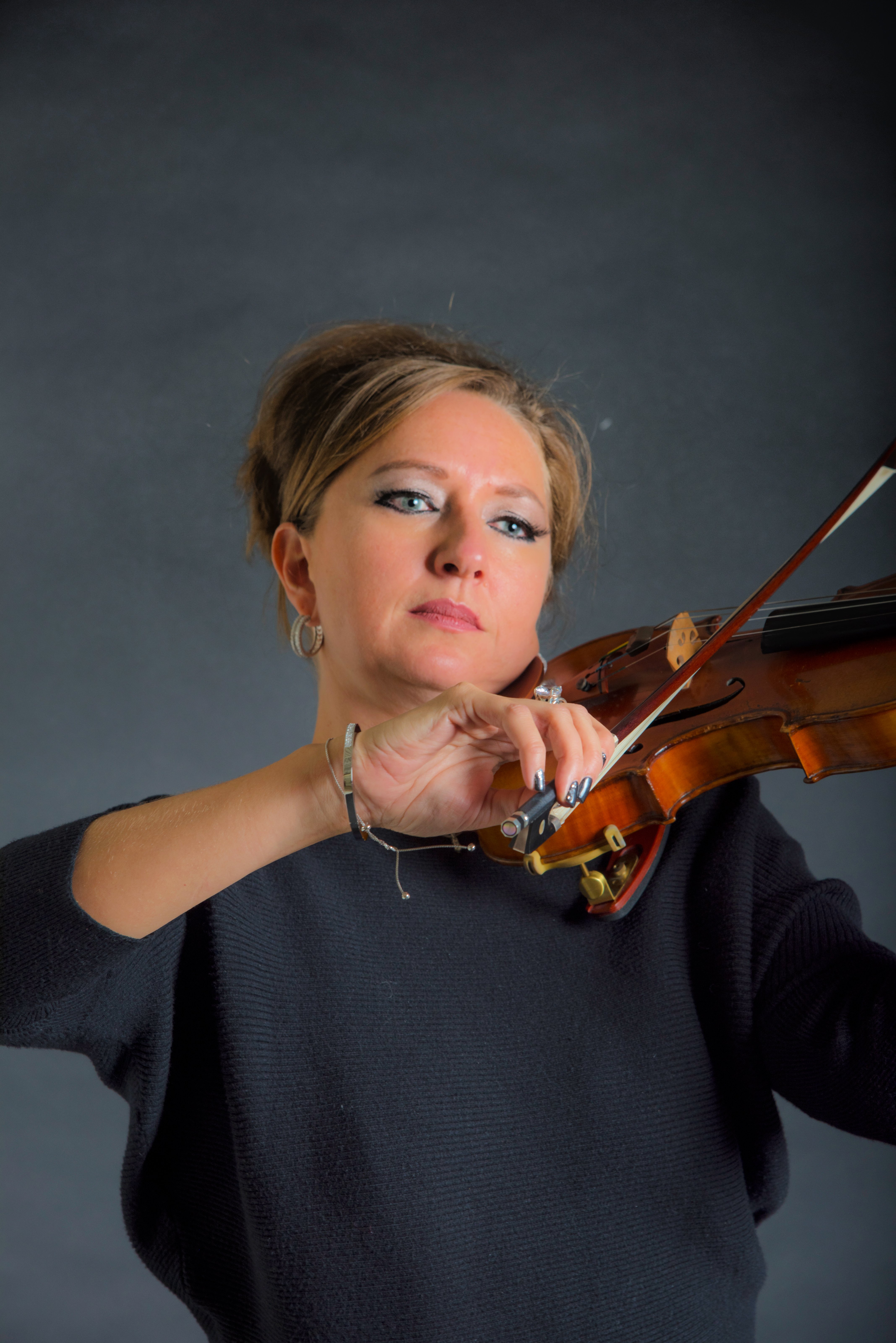
Heather Kaye Broadbent is a violinist and pedagogue whose work focuses on foundational organization, awareness-based technique, and humane violin playing for thoughtful adults.

Her teaching emphasizes what must be in place before technique can function freely — clarity of coordination, responsiveness, and non-interference — rather than correction, force, or imitation. Students are guided to sense how the instrument works, so effort naturally falls away and control is no longer imposed.

Heather’s pedagogical lineage draws from the European violin tradition, with particular attention to how foundational coordination supports tone, bow stroke, and expressive freedom. Her approach is informed by decades of private teaching, deep repertoire study, and sustained work with adult violinists who were never shown how to organize the bow hand from the inside out.

Across all courses in the Broadbent School of Violin Artistry, her work is guided by a simple principle:

When awareness replaces effort, the instrument begins to work on its own.

What people are saying

Artboard 1

This finally made sense of why my thumb and palm were cramping so badly. The explanation was clear in a way I had never heard before. Everything feels more natural now.

— Barb W.

Artboard 1

In just a few minutes, this provided a major breakthrough. I’m a guitarist and discovered my long thumbnail was severely interfering with my bow hold. Adjusting it changed everything. The idea of shaking out the hand to feel what’s natural was genius. I finally feel I can move forward.

— Bill S.

Artboard 1

Thank you for explaining the role of the thumb so clearly. I’ve been using a lighter baroque bow to relieve tension, but your reminders helped prevent injury when I get carried away with the music. This guidance is invaluable.

— Shiela C.

Artboard 1

I started learning violin at age 50, and this was a big help. The clarity made a real difference right away.

— Wilbur D.

Artboard 1

This video literally saved my thumb — and my chance to play again in an orchestra. After years away, I went into rehearsal cold and developed trigger thumb. This explanation gave me hope and a clear path to recover and rebuild.

— Chippi S.

Artboard 1

Thank you very much for taking the time to provide such a complete explanation. The clarity is deeply appreciated

— Spanish Language for Buisiness